

search

search


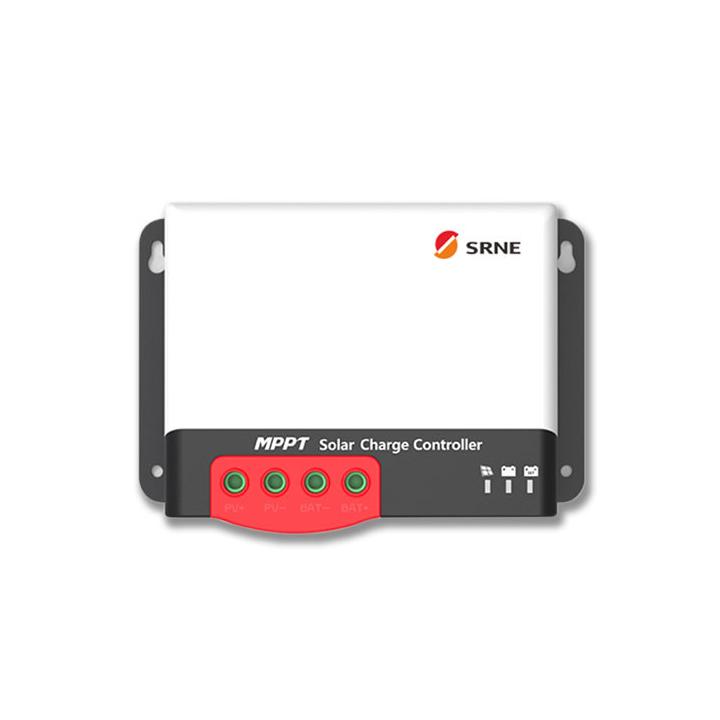
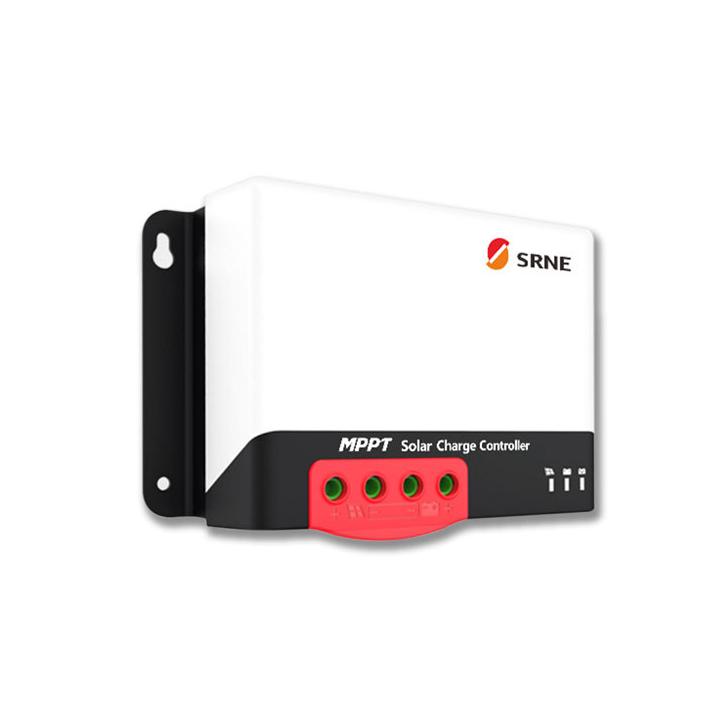
Thanks to PowerCatcher MPPT technology, the MC series solar charge controller enables maximum energy tracking for solar panels.
This technology enables the controller to quickly and accurately track the maximum power point of a photovoltaic system in any environment, to obtain maximum output from a solar panel in real time, and to significantly increase the energy utilization efficiency of the solar system.

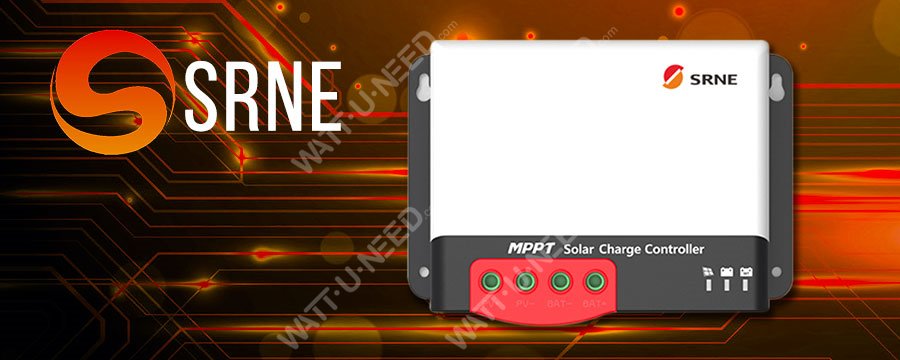
♦ PowerCatcher technology, maximum power point tracking, enables the controller to track the maximum power point of solar panels, even in complex environments. Compared with traditional MPPT tracking technology, it offers faster response speed and greater tracking efficiency.
◆ An integrated MPPT (Maximum Power Point Tracking) algorithm significantly increases the energy utilization efficiency of the photovoltaic system, which is around 15% to 20% higher than traditional PWM charging.
◆ It offers an active charge voltage regulation function. When the battery is open-circuited or the BMS lithium battery overcharge protection is activated, the controller's battery terminal delivers the nominal value of the charging voltage.
◆ MPPT tracking efficiency is 99.9%.
◆ Thanks to advanced digital power technology, the circuit's energy conversion efficiency can reach 98%.
◆ Available for several battery types. It supports charging procedures for different battery types such as lithium batteries, colloidal batteries, sealed batteries, vented batteries, etc.
◆ A current-limited charging mode is available. When the solar panel's output is too high and the charging current exceeds the valve's rated output, the controller automatically reduces the charging output so that the solar panel can operate with the rated charging current.
◆ Supports automatic identification of lead-acid battery voltage.
◆ An external LCD display or Bluetooth module can be connected to view operating data and equipment status, and controller parameters can be modified.
◆ Support for standard Modbus protocol to meet communication needs on different occasions.
◆ A built-in overtemperature protection mechanism ensures that when the temperature exceeds the device setpoint, the load current decreases linearly with temperature.

check_circle
check_circle

Comments (0)
Your review appreciation cannot be sent
Report comment
Report sent
Your report cannot be sent